 Dr. Amy Bakelaar
Most people know it may be time for an eye exam when road signs become blurry, reading gets harder or an old pair of glasses no longer seems to do the job.
But determining whether you need new glasses is only one part of a comprehensive eye examination.
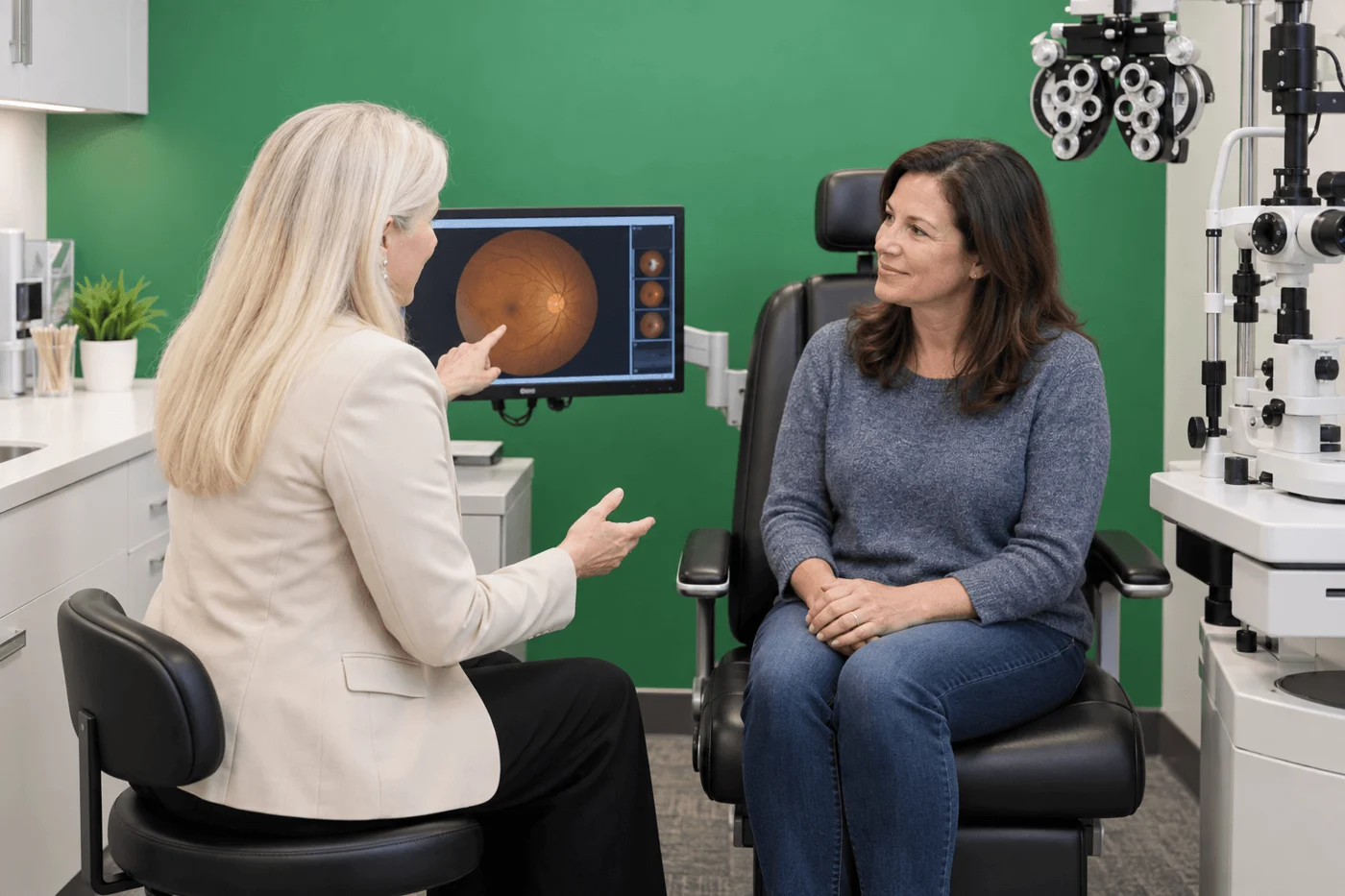
An eye exam also provides an opportunity to look closely at the health of your eyes, assess how well they work together and identify changes that may not yet be affecting your vision.
Seeing clearly does not always mean your eyes are healthy
Some eye diseases develop gradually and may cause few, if any, noticeable symptoms in their early stages.
A person can still read the bottom line of an eye chart while changes are occurring inside the eye. Conditions such as glaucoma, cataracts, retinal disease and age-related macular degeneration may be detected during an examination before they begin interfering with everyday activities.
That is one reason it is important not to wait for your vision to become blurry before booking an appointment.
What happens during a comprehensive eye exam?
The exact tests will vary according to your age, health, symptoms and risk factors. A comprehensive examination may assess:
- Your distance and near vision
- Whether you need glasses or a change in prescription
- How well your eyes focus and work together
- Eye movement and coordination
- Peripheral, or side, vision
- Eye pressure
- The health of the structures at the front and back of each eye
- Colour vision and depth perception when appropriate
Your optometrist may also recommend retinal imaging, visual-field testing or other assessments if something requires a closer look.
Your general health matters too
The eyes can sometimes reveal signs connected to health conditions elsewhere in the body.
Diabetes and high blood pressure, for example, can affect the small blood vessels inside the eyes. Certain medications can also produce visual changes or require ongoing eye-health monitoring.
Bring an up-to-date list of your medications and tell your optometrist about changes in your health. You should also mention headaches, double vision, flashes, floaters, difficulty driving at night or any other visual symptom—even if it seems minor.
How often should you have an eye exam?
There is no single schedule that is right for everyone.
The Canadian Association of Optometrists recommends an examination every two years for low-risk adults between 20 and 64. Adults 65 and older should generally have an annual examination. Children between six and 19 should also be examined annually.
Your optometrist may recommend more frequent visits based on your symptoms, prescription, family history, medications or medical conditions.
An eye exam is not simply about reading letters on a chart or shopping for new frames. Think of it as a regular health check for your eyes—one that can help protect both your vision and your quality of life.
Book a comprehensive eye exam with Dr. Amy Bakelaar in Spruce Grove.