 Dr. Amy Bakelaar
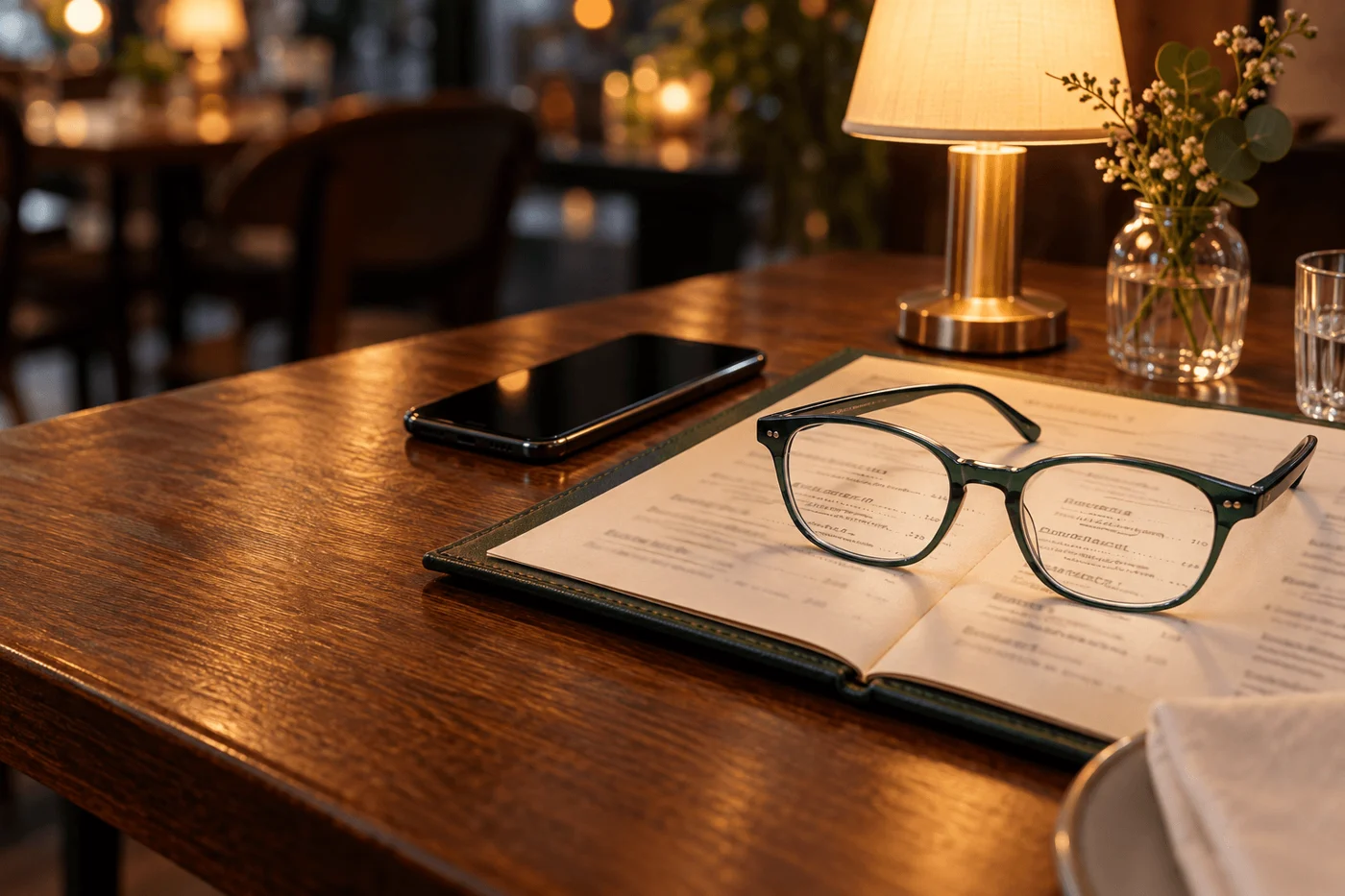
If menus suddenly seem to be printed in smaller type, your phone is probably not shrinking its font.
The more likely explanation is presbyopia, a normal age-related change that makes it harder for the eyes to focus on objects up close.
It commonly becomes noticeable sometime after age 40. You may find yourself holding your phone farther away,, looking for brighter light or removing your glasses to read small print.
What causes presbyopia?
Inside each eye is a natural lens that changes shape when you shift your focus from something far away to something close.
When we are younger, that lens is flexible and adjusts easily. As we age, it gradually becomes less flexible. The muscles involved in focusing may still be working, but the lens can no longer change shape as effectively.
The result is increasing difficulty focusing at normal reading distances.
Presbyopia happens to everyone eventually—even people who have always had excellent vision.
What are the common signs?
The change is usually gradual. You may notice:
- Holding reading material farther away
- Difficulty reading menus, labels or phone screens
- Needing brighter light for close work
- Tired or strained eyes after reading
- Headaches following prolonged close work
- Blurred vision when switching between near and distant objects
Many people first notice the problem at the end of the day or in a dimly lit restaurant.
Will drugstore reading glasses work?
Over-the-counter readers can be helpful for some people, particularly when both eyes require the same amount of correction and distance vision is clear.
They are not the right solution for everyone. Drugstore readers do not correct astigmatism, differences between the eyes or an existing distance prescription. They also do not provide information about the health of your eyes.
If you are unsure what strength you need—or find yourself repeatedly buying stronger readers—it is worth having a comprehensive eye examination.
What are the other options?
The best solution depends on your prescription, daily activities and personal preferences. Options may include:
- Prescription reading glasses
- Progressive lenses
- Bifocals
- Occupational or computer glasses
- Multifocal contact lenses
- Separate glasses for distance and near tasks
Someone who spends the day working on a computer may need a different solution than someone who primarily wants help reading books or restaurant menus.
Is it always presbyopia?
Gradual difficulty focusing up close after 40 is common, but not every vision change should automatically be blamed on age.
Book an examination if the change happens suddenly, affects one eye more than the other, causes double vision or is accompanied by flashes, new floaters, pain or missing areas of vision.
Presbyopia is normal, but struggling unnecessarily is optional. The right correction can make reading, computer work and everyday close-up tasks comfortable again.
Book a comprehensive eye exam with Dr. Amy Bakelaar in Spruce Grove.