 Dr. Amy Bakelaar
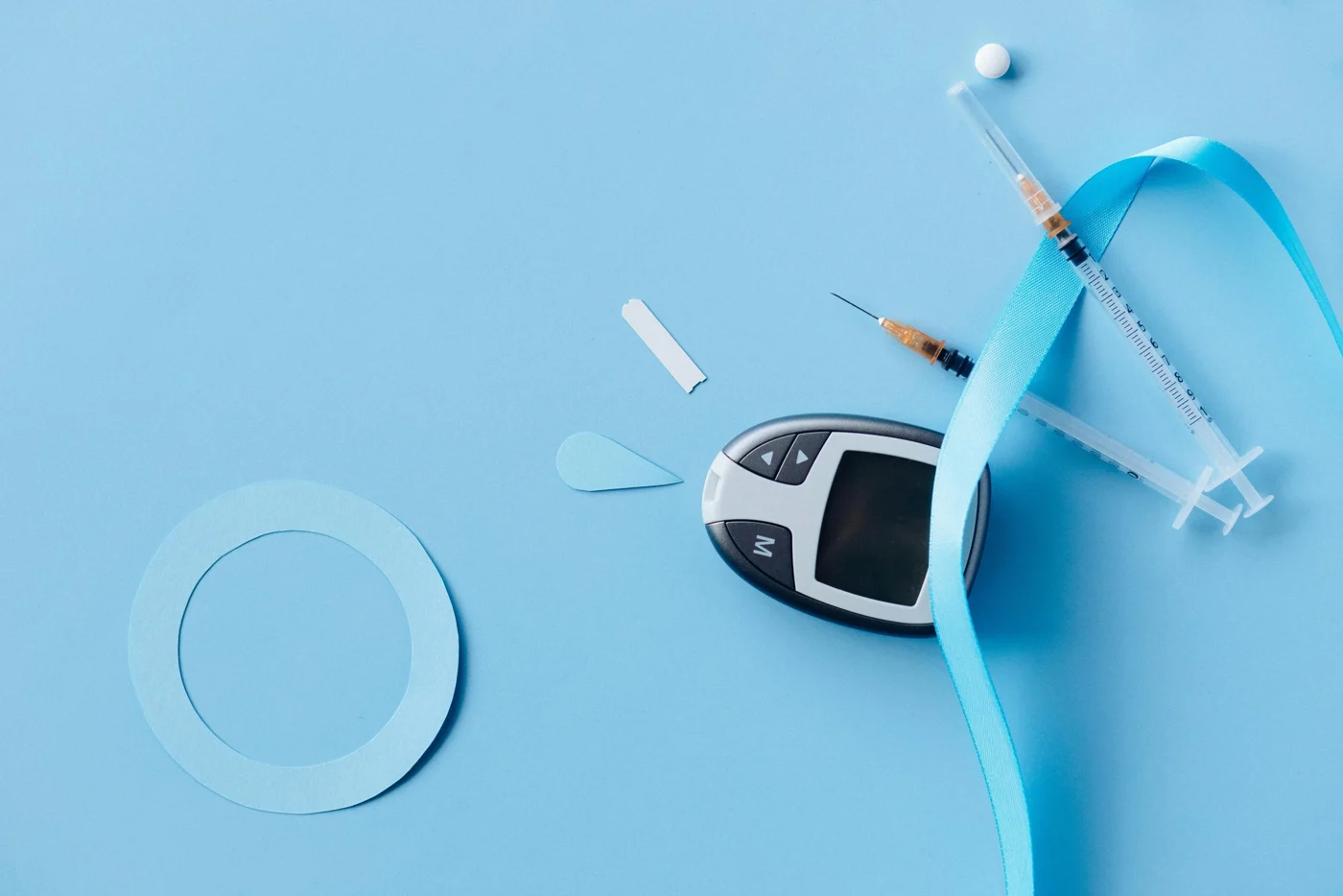
November is Diabetes Awareness Month, and it’s an important time to address a topic I see often in my practice: diabetic eye disease. Early changes in the eyes can occur without noticeable symptoms. Patients feel fine, see clearly, and assume everything is normal — until damage has progressed much further than they realized.
Annual diabetic eye exams are critical for early detection and long-term protection.
How Diabetes Affects the Eyes
Diabetes affects the small blood vessels throughout the body, including the retina — the thin, light-sensitive tissue at the back of the eye. When blood sugar levels fluctuate over time, these vessels can become weak, swollen, or leaky. This leads to:
- Diabetic retinopathy
- Macular edema
- Reduced blood flow to the retina
- Changes in prescription
- Increased risk of glaucoma and cataracts
These changes develop gradually. Many patients do not notice symptoms until damage is significant.
Why Early Detection Matters
During a diabetic eye exam, I use imaging tools that allow me to see changes far earlier than a patient can feel them. This includes:
- Retinal photography
- OCT scanning (cross-sectional imaging of the retina)
- Dilation when needed
- Close evaluation of blood vessel health
These tools allow me to detect tiny amounts of swelling or leaking that are invisible to the naked eye.
When caught early, diabetic eye disease is manageable. When caught late, it can lead to permanent vision loss.
How Often Should You Be Seen?
In Alberta, annual diabetic exams are covered. Some patients benefit from more frequent monitoring, especially if:
- Blood sugar levels fluctuate widely
- They have had diabetes for many years
- They have been previously diagnosed with retinopathy
- They are experiencing vision changes
Even if your vision feels stable, annual monitoring remains essential.
The Most Common Misconception I Hear
Many patients believe that if they see well, their eyes must be healthy. Unfortunately, diabetic eye disease doesn’t work that way. Vision can remain unchanged while active damage is occurring behind the scenes.
Protecting Your Vision Long-Term
Diabetes care is multifaceted, and vision is a key component. Managing blood sugar, attending regular medical appointments, and keeping annual eye exams ensures the best chance of maintaining lifelong vision.
Final Thoughts
Diabetes affects more than just blood sugar — it affects your future vision. Early detection is the best tool we have for prevention.
If you’re due for your annual diabetic exam, I encourage you to book an appointment at Specsavers Spruce Grove this month.