 Dr. Amy Bakelaar
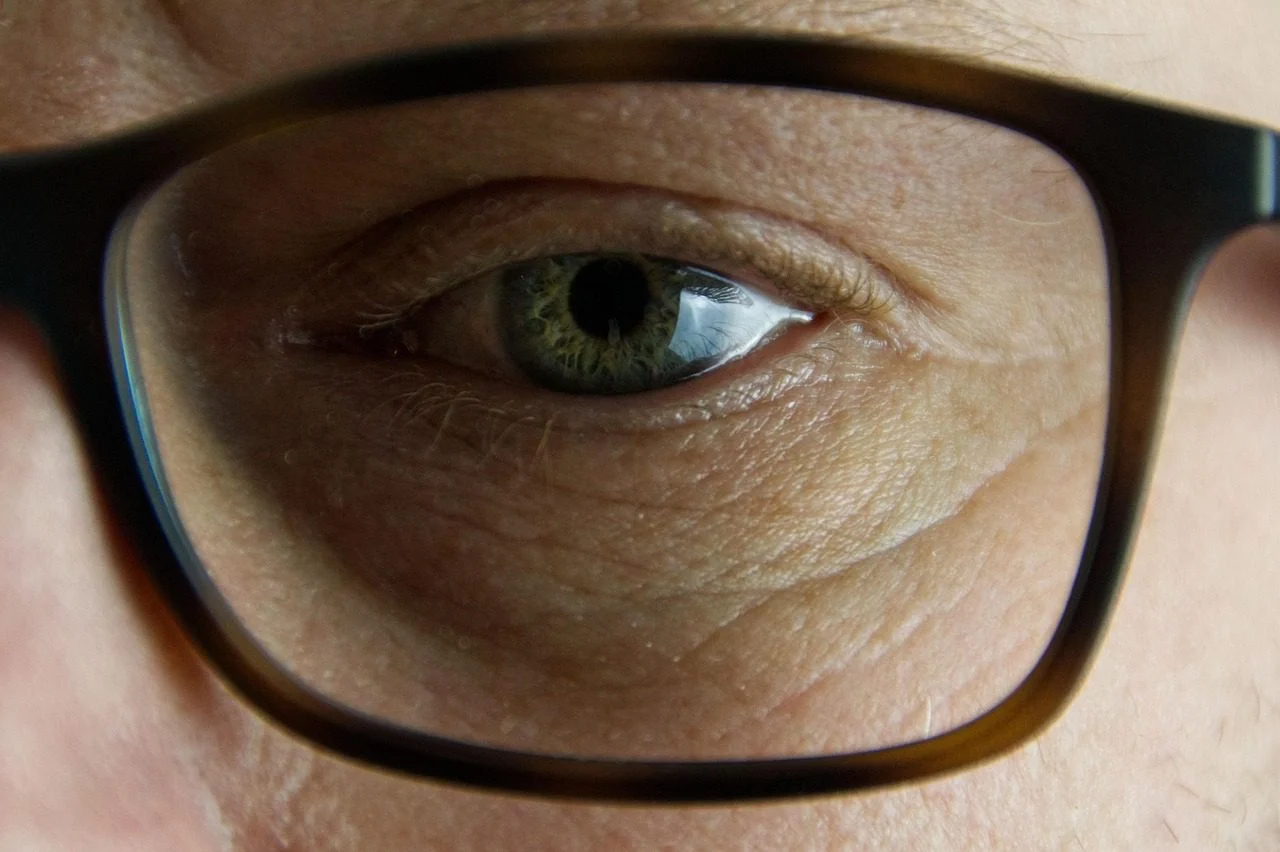
Dry eyes, that burning, gritty, or just plain uncomfortable feeling—especially after a long day—can be irritating and dangerous if not dealt with in a safe, healthy way. Dry, irritated eyes are one of the most common complaints we see in the exam room. While the causes can vary, the good news is that dry eye symptoms are often manageable once you understand what’s behind them.
In this post, we’ll break down the common reasons your eyes might burn or feel dry, what you can do about it, and when it’s time to see your optometrist.
Common Causes of Dry or Burning Eyes
Dry eyes symptoms can happen to anyone, at any age—but some factors make them more likely. Here are the most common culprits:
1. Screen Time and Digital Eye Strain
Staring at screens for long periods reduces how often we blink—sometimes by more than half. This can cause tears to evaporate more quickly, leaving the eyes dry and irritated.
2. Environment and Allergens
Dry indoor air, wind, smoke, and even seasonal allergens can all trigger dry eye symptoms. In Alberta’s climate, where humidity often runs low, this is a year-round issue for many.
3. Aging and Hormones
As we age, our eyes naturally produce fewer tears. Hormonal changes—especially during menopause—can also affect tear production and quality.
4. Contact Lenses
Wearing contact lenses, especially for extended periods, can disrupt the eye’s natural tear film and cause irritation.
5. Medications and Health Conditions
Certain medications (like antihistamines, antidepressants, and blood pressure meds) can reduce tear production. Medical conditions such as autoimmune diseases, rosacea, or even prolonged screen exposure due to work can also play a role.
What You Can Do About It
There are a number of easy, effective ways to relieve dry or burning eyes. Here are some tips you can start with right away:
- Use Artificial Tears
Over-the-counter lubricating drops can help supplement your natural tears. Just make sure to choose preservative-free options if you use them frequently. - Follow the 20-20-20 Rule
Every 20 minutes, take a 20-second break and look at something 20 feet away to reduce digital eye strain. - Run a Humidifier
Especially during the winter months, adding moisture to the air can help protect your tear film. - Protect Your Eyes Outdoors
Sunglasses that wrap around your face help block wind, dust, and UV rays that can irritate the eyes. - Stay Hydrated
Drink enough water throughout the day—your eyes rely on overall hydration too.
When to See an Optometrist
Dry eyes can be more than just a minor annoyance; they can signal underlying issues that may require professional attention from an optometrist. If you experience persistent dryness, irritation, or a gritty sensation in your eyes that doesn’t improve with over-the-counter artificial tears or home remedies, it’s time to schedule an appointment. Other warning signs include frequent redness, burning, excessive tearing, blurred vision, or discomfort that worsens throughout the day, especially after prolonged screen time or exposure to dry environments. These symptoms could indicate conditions like meibomian gland dysfunction, blepharitis, or even systemic issues such as Sjögren’s syndrome, which an optometrist can diagnose through comprehensive eye exams.
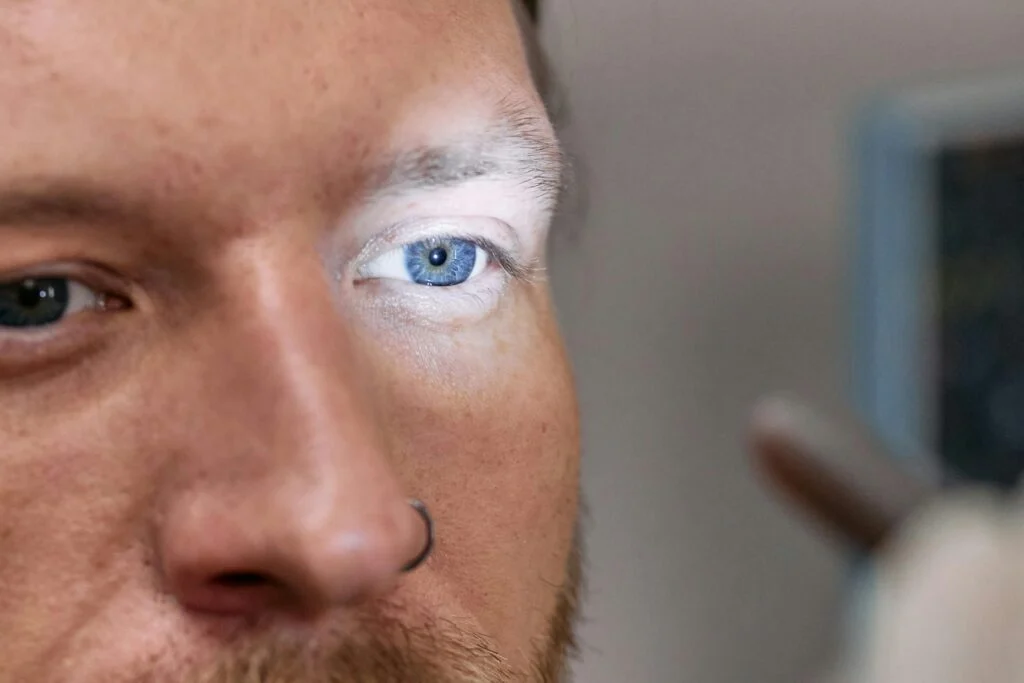
Additionally, if you notice sensitivity to light, difficulty wearing contact lenses, or a feeling that something is stuck in your eye, seeking professional care is crucial to prevent complications like corneal damage. Regular checkups are also recommended for those with risk factors such as aging, hormonal changes, autoimmune diseases, or prolonged use of medications like antihistamines or antidepressants, which can exacerbate dry eye symptoms. An optometrist can provide tailored treatments, such as prescription eye drops, lifestyle adjustments, or advanced therapies like punctal plugs, to alleviate discomfort and protect your vision. Early intervention ensures optimal eye health and prevents chronic dry eye from impacting your daily life.
Don’t Ignore the Dry Eyes Burn
Burning, stinging, or tired eyes may seem like small annoyances—but they’re often your body’s way of saying something’s off. Addressing the issue early can help prevent long-term discomfort and protect your vision.
Book an Eye Exam in Spruce Grove
I see patients at Specsavers Spruce Grove. Our clinic provides comprehensive assessments for dry eye and related conditions. Whether you’re dealing with mild irritation or chronic discomfort, we’re here to help.