 Dr. Amy Bakelaar
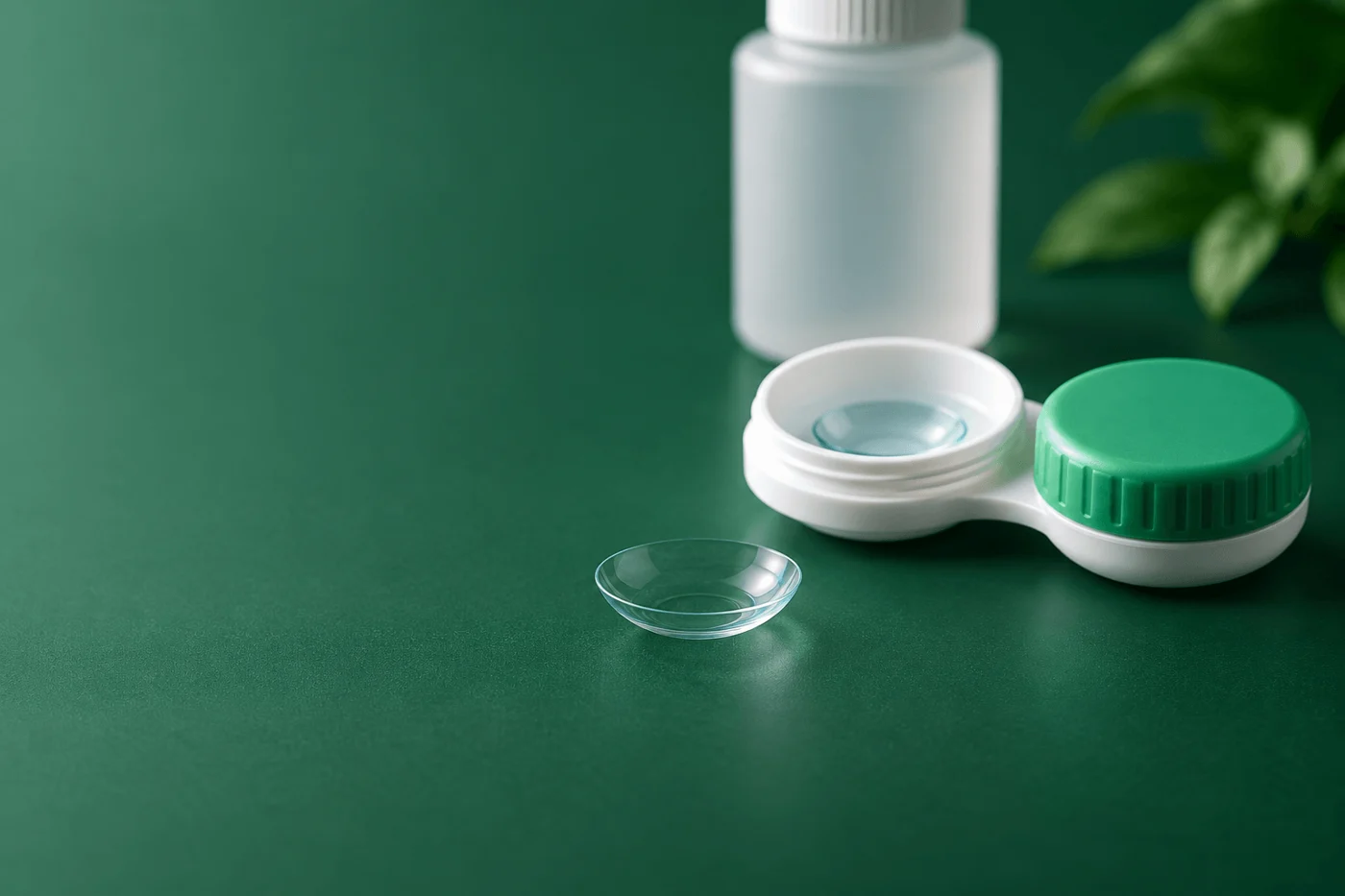
Contact lenses can provide clear vision without getting in the way of work, sports or everyday life. They are also medical devices that sit directly on the surface of your eyes.
When lenses are properly fitted and cared for, they can be a safe and comfortable option. Problems often begin when small shortcuts become regular habits.
Here are five simple practices that can help protect your eyes.
1. Wash and dry your hands first
Always wash your hands before inserting or removing contact lenses. Dry them with a clean, lint-free towel.
Wet or dirty hands can transfer bacteria, oils, lotions and other substances onto a lens. Those contaminants may cause irritation or increase the risk of infection.
2. Keep contact lenses away from water
Tap water, swimming pools, lakes and hot tubs can contain microorganisms that should never become trapped between a contact lens and the eye.
Do not rinse lenses or storage cases with tap water. Remove your lenses before swimming, showering or using a hot tub whenever possible. Use only the contact-lens solution recommended for your lenses.
Saliva is not a safe substitute for solution either.
3. Replace lenses when you are supposed to
Daily, biweekly and monthly lenses are designed for different replacement schedules. Wearing a lens beyond its recommended lifespan can lead to deposits, reduced comfort and a greater risk of complications.
The replacement clock begins when the package is opened—not according to how many individual days you have worn the lens.
Trying to stretch a monthly lens into five or six weeks is not a good way to save money.
4. Do not sleep in lenses unless they were prescribed for it
Sleeping in contact lenses reduces the amount of oxygen reaching the cornea and increases the risk of infection.
Even a short nap can be a problem. Unless your optometrist has specifically fitted and approved lenses for overnight wear, take them out before going to sleep.
If you accidentally sleep in your lenses, do not force them out immediately if they feel dry or stuck. Lubricating drops may help them move more comfortably. Contact your optometrist if discomfort, redness or blurred vision continues.
5. Take care of the storage case
Reusable lenses need a clean case and fresh solution.
Empty the old solution after every use rather than topping it up. Clean the case with contact-lens solution, allow it to air-dry and replace it regularly. Keep the solution bottle closed and avoid touching its tip to your fingers, lenses or case.
Know when something is wrong
Contact lenses should not cause persistent pain, redness or blurred vision.
Remove your lenses and contact an optometrist promptly if you experience:
- Increasing eye pain
- Significant redness
- Sensitivity to light
- Discharge
- Sudden or persistent blurred vision
- The feeling that something is stuck in your eye
Do not put the lens back in to see whether the problem has passed.
Regular contact-lens appointments are important even when your lenses feel comfortable. Your optometrist can assess the fit, examine the surface of your eyes and determine whether your lenses and wearing schedule continue to meet your needs.
Good contact-lens care does not have to be complicated. It simply needs to be consistent.
Book a contact-lens examination with Dr. Amy Bakelaar in Spruce Grove.