 Dr. Amy Bakelaar
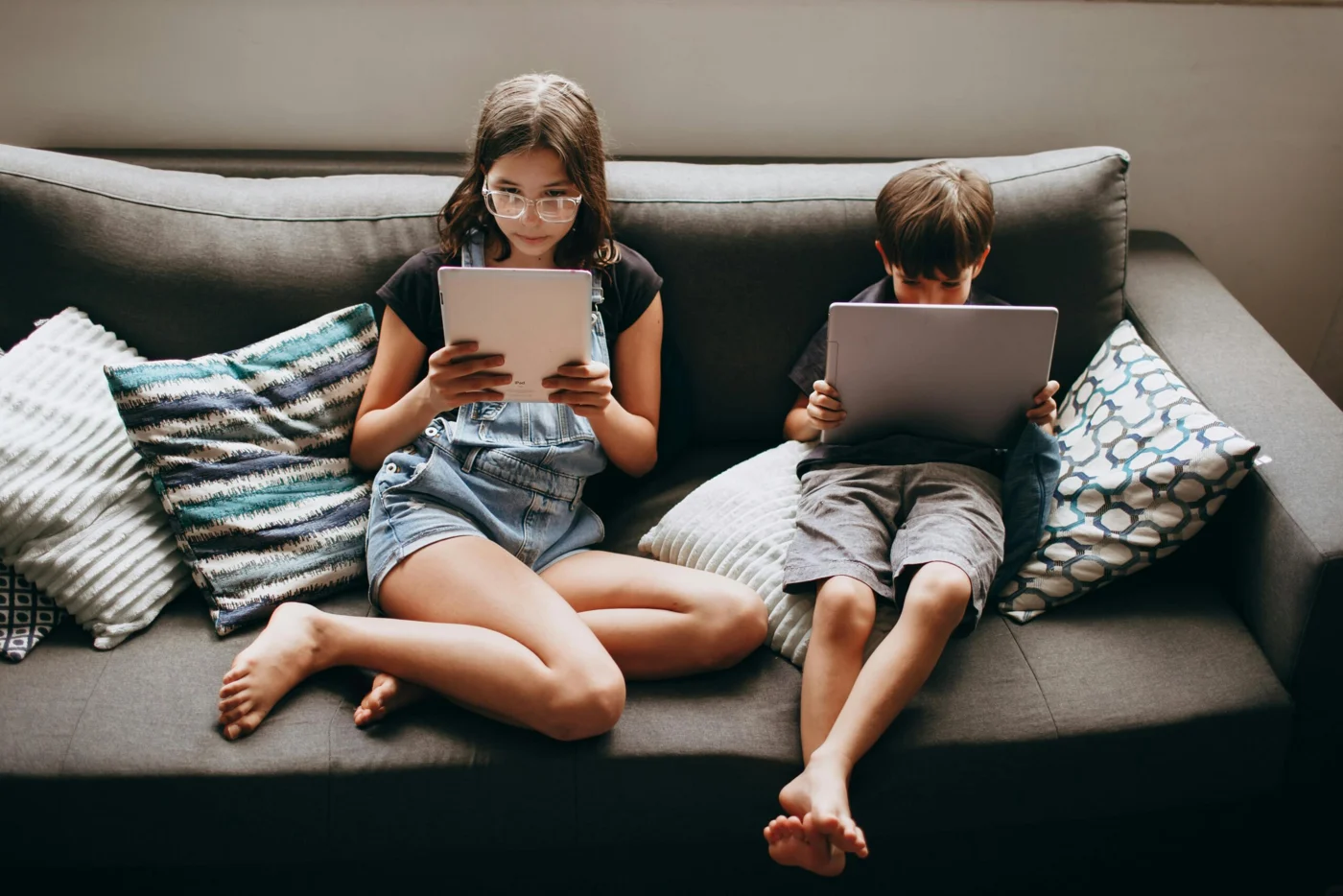
Nearsightedness (myopia) is one of the most common concerns I hear at my clinic in Spruce Grove. Parents always ask:
“My child can’t see far away—do they need glasses?”
It’s often the first sign of nearsightedness, also called myopia, and it’s becoming more common in children and teens than ever before.
In this post, I’ll help you understand:
- What causes nearsightedness in children
- Why screen time and indoor lifestyles play a role
- How to spot the signs early
- And most importantly—what we can do to slow it down and protect your child’s long-term vision
What Is Nearsightedness (Myopia) in Children?
Myopia is when distant objects appear blurry, while things up close stay clear. It happens when the eyeball grows too long or the cornea is too curved, causing light to focus in front of the retina.
This is more than just a glasses issue. If myopia progresses to high levels, it can increase the risk of serious eye conditions later in life, such as:
- Retinal detachment
- Macular degeneration
- Glaucoma
- Cataracts
That’s why early detection and myopia management are so important, especially during your child’s critical growth years.
Why Is Nearsightedness (Myopia) on the Rise?
If you’re wondering, “Why is my child suddenly nearsighted?”—you’re not alone.
Recent studies show a sharp increase in myopia worldwide, especially in urban areas and developed countries like Canada. Here’s why:
✅ Too much screen time
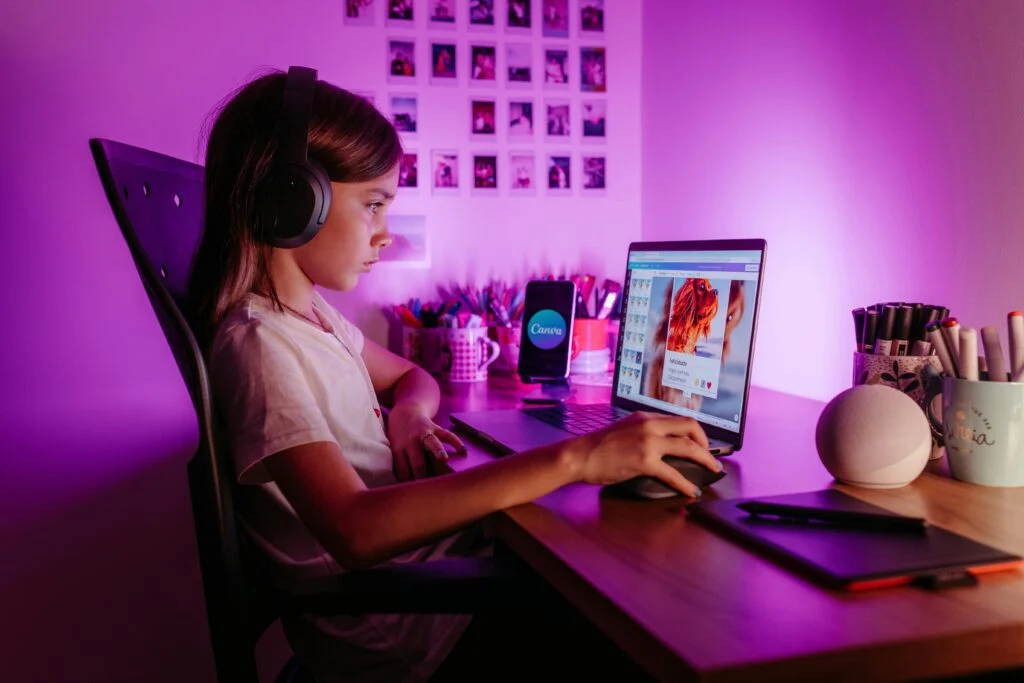
Digital devices mean kids spend hours a day focusing on things up close.
✅ Not enough outdoor time
Natural light is protective for eye growth. Kids who spend less than 90 minutes outside each day are at much higher risk.
✅ Early onset of nearsightness (myopia) means faster progression
The younger a child develops myopia, the more time it has to worsen—leading to higher prescriptions and greater long-term risk.
How Do I Know If My Child Is Nearsightedness (Myopia)?
Many kids won’t tell you they’re struggling to see—because they don’t know what clear vision is supposed to look like.
Here are the most common signs to watch for:
- Squinting to see far-away objects (TV, whiteboard, signs)
- Sitting too close to the screen or holding books very close
- Complaints of headaches or eye fatigue
- Difficulty with sports or spotting things in the distance
- Falling grades or trouble seeing at school
If any of these sound familiar, it’s time to book an eye exam. Even if your child isn’t complaining.
What Can Be Done to Slow Nearsightedness (Myopia) in Kids?
This is the part most parents are surprised to learn: we can do more than just prescribe glasses. We can actively manage myopia to slow its progression.
Here are the clinically proven treatments I offer at Specsavers Spruce Grove:
1. Low-Dose Atropine Eye Drops
Used nightly, these drops slow down the elongation of the eye. They’re safe, non-invasive, and especially effective in younger children.
2. Myopia Control Eyeglass Lenses
These advanced lenses (like MiyoSmart) use special optics to help reshape the way light enters the eye, slowing eye growth while correcting vision.
3. Multifocal Soft Contact Lenses
MiSight contact lenses are designed for myopia control and offer clear central vision while using peripheral defocus to reduce eye growth stimulation.
Every child is different, so we’ll tailor the treatment plan based on your child’s prescription, age, lifestyle, and comfort level.
What Parents in Spruce Grove, Stony Plain & Parkland County Can Do at Home
Lifestyle changes are powerful when combined with clinical care. I recommend:
- At least 2 hours of outdoor play per day
(even in winter—sunlight matters) - Limit recreational screen time, especially before bed
- Use the 20-20-20 rule: Every 20 minutes, take a 20-second break to look at something 20 feet away
- Annual eye exams, starting before kindergarten—even if there are no symptoms
From One Parent to Another
As a doctor—and a mom—I understand how overwhelming it can feel to manage your child’s screen time, school demands, and health all at once. But eye health doesn’t have to be complicated.
If you’ve noticed changes in your child’s vision, or just want to stay ahead of it, book an exam with me. We’ll take the time to assess, explain, and create a plan that works for your family.
Book with Dr. Amy Bakelaar
Specsavers Spruce Grove
Serving families in Spruce Grove, Stony Plain, and Parkland County and surrounding area.