 Dr. Amy Bakelaar
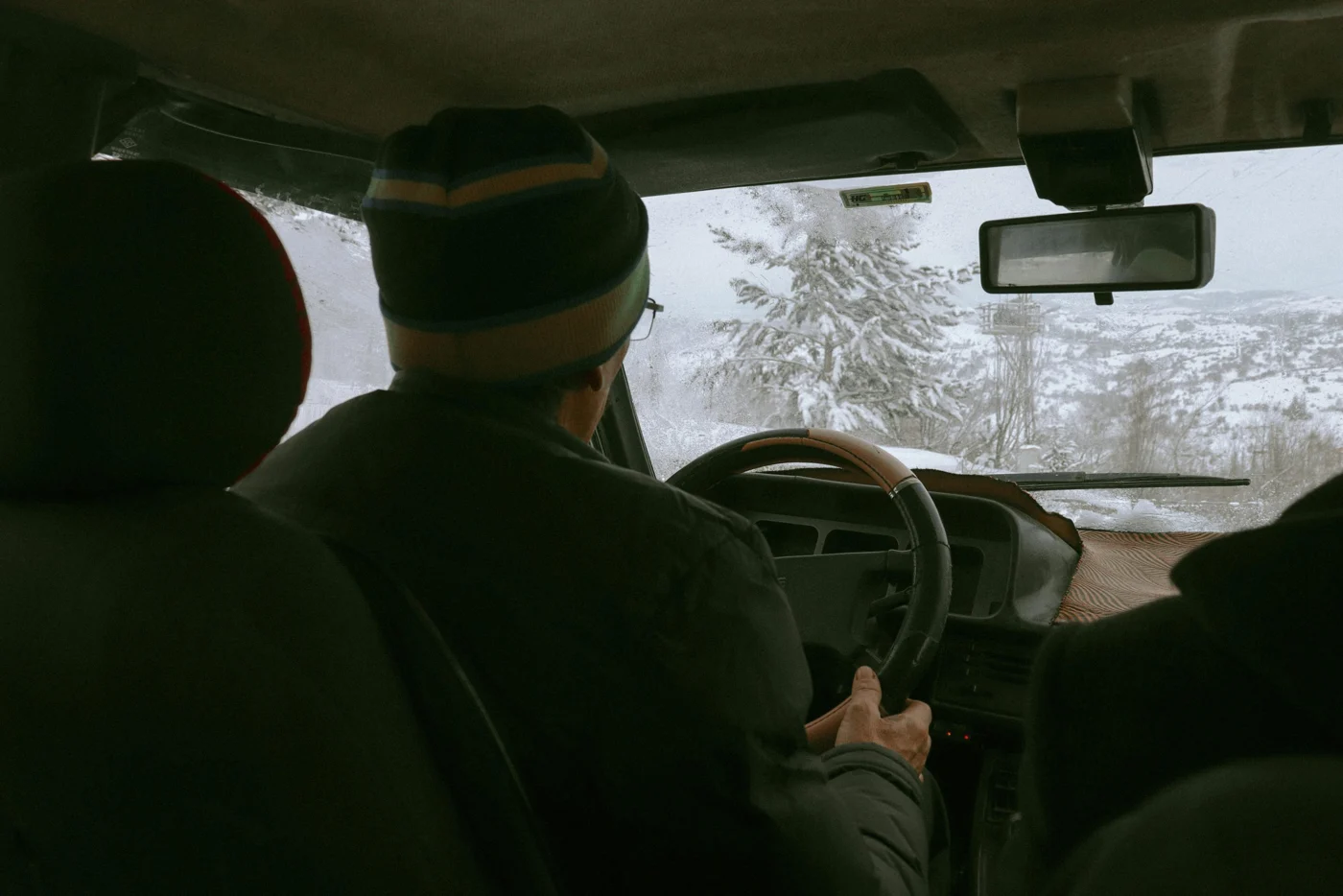
Winter driving is one of the most demanding skills for drivers in Alberta. Snow-covered roads, low sun angles, reduced daylight, and oncoming headlight glare all place significant strain on the visual system. Many patients tell me they feel less confident driving at night or during snowy conditions — even though their vision seems “fine.”
Winter driving challenges vision in ways that standard eye charts don’t always reveal.
Why Winter Driving Is So Visually Demanding
Driving requires constant visual processing: judging distances, detecting motion, interpreting contrast, and responding quickly to changing conditions. In winter, several factors interfere with these abilities:
- Low sun angles create intense glare
- Snow-covered landscapes reduce contrast
- Short daylight hours mean more driving at dusk or night
- Headlight glare is intensified by snow and ice
- Dirty windshields scatter light and blur vision
Even small visual deficiencies become noticeable under these conditions.
Common Vision Complaints I Hear in February
- Difficulty seeing road edges or lane markings
- Increased sensitivity to headlights
- Trouble adjusting from bright to dark environments
- Eyes feeling fatigued while driving
- Avoiding night driving altogether
These symptoms often point to issues with contrast sensitivity, glare tolerance, or uncorrected refractive errors.
Vision Skills Critical for Winter Driving
Safe winter driving depends on more than 20/20 vision. It also relies on:
- Contrast sensitivity — the ability to distinguish objects from their background
- Depth perception — judging distance accurately in poor visibility
- Peripheral awareness — detecting movement at intersections
- Glare recovery — how quickly eyes adapt after bright lights
Standard vision screenings don’t always test these skills thoroughly.
Why Snow and Ice Make Glare Worse
Snow reflects light aggressively. Combined with low winter sun and oncoming headlights, glare increases dramatically. If your eyes struggle to recover quickly from bright light, your reaction time slows — even if you don’t consciously notice it.
Certain prescriptions, coatings, or outdated lenses can make glare worse rather than better.
How an Eye Exam Can Improve Driving Confidence
During a comprehensive exam, I assess whether your prescription is optimized for distance clarity, night vision, and contrast. Small changes — including anti-reflective coatings or updated lenses — can significantly improve comfort and confidence behind the wheel.
For some patients, glare sensitivity points to early cataract changes or dry eye issues that scatter light.
Tips to Improve Winter Driving Vision
You can reduce visual strain by:
- Keeping windshields clean inside and out
- Wearing lenses with anti-reflective coatings
- Avoiding tinted lenses at night
- Using appropriate lighting settings in vehicles
- Managing dry eye symptoms that worsen glare
- Scheduling regular eye exams
Final Thoughts
Winter driving in Alberta demands clear, resilient vision. If driving feels more stressful than it used to — especially at night or in snow — your eyes may be working harder than they should.
If you’re noticing changes in driving comfort or confidence, book an eye exam at Specsavers Spruce Grove. Clear vision makes winter roads safer for everyone.