 Dr. Amy Bakelaar
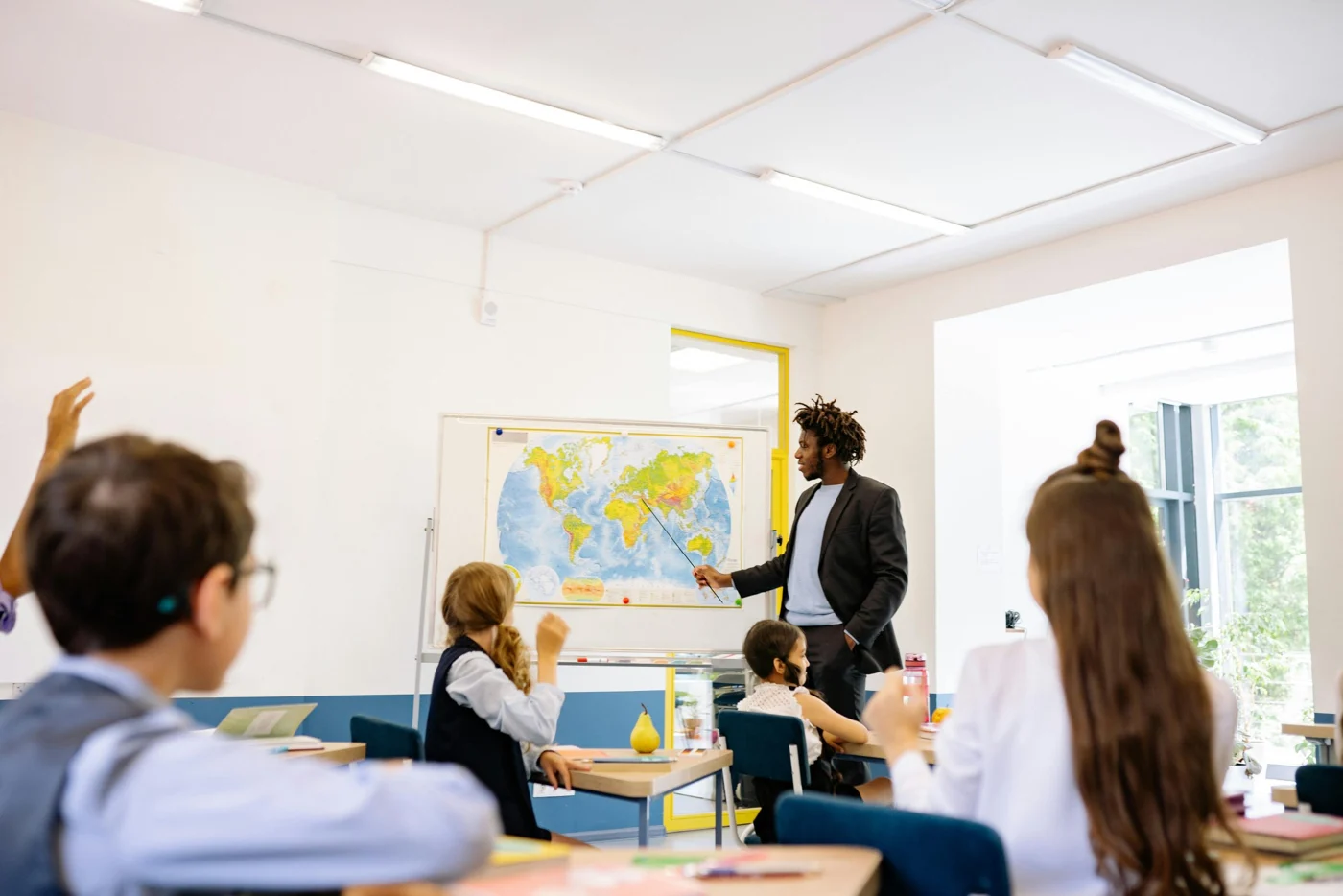
Every year as back-to-school approaches, I see the same pattern in my exam room: children returning to school with headaches, eye strain, blurred vision, and trouble focusing in class. In many cases, the issue isn’t motivation or attention — it’s uncorrected or evolving vision problems. Children rarely tell us when they can’t see well. They assume the way they see the world is normal because they have no frame of reference to compare against.
That’s why back-to-school eye exams are one of the most important health checks a parent can schedule. In Alberta, children grow quickly, and their vision can change just as fast. Even a small prescription shift can impact reading, handwriting, comprehension, sports performance, and overall confidence in the classroom.
Why Annual Eye Exams Matter for Alberta Students
Clear vision is foundational to learning. Research shows that up to 80% of classroom learning is visual. When a child cannot see clearly, they may appear distracted, frustrated, or “behind,” when in reality, they’re working twice as hard to compensate.
During a back-to-school eye exam, I don’t simply check whether a child can read the letters on a chart. I evaluate the full visual system:
- Acuity (how clearly they see at distance and near)
- Eye teaming (how the two eyes work together)
- Focusing ability (especially important for reading and screen use)
- Eye tracking (critical for reading fluency)
- Binocular vision
- Early signs of myopia and other refractive changes
A child may have perfect 20/20 vision but still struggle with reading because their eyes do not track smoothly or work together effectively.
The Rise of Myopia in School-Age Children
Myopia (nearsightedness) is increasing rapidly worldwide, and I am seeing the same trend here in Spruce Grove and Parkland County. Increased screen time, more indoor hours, and reduced outdoor activity all contribute. The earlier myopia begins, the faster it tends to progress.
During back-to-school exams, I can detect the earliest signs — even before a child complains about blurry distance vision. Early detection allows me to slow progression using specialized lenses, drops, or treatment strategies tailored to each child.
Signs Your Child May Be Struggling with Vision
Parents often notice patterns long before a child mentions their vision:
- Squinting
- Avoiding homework
- Losing their place while reading
- Frequent eye rubbing
- Sitting closer to screens or the TV
- Complaints of headaches
- Drops in school performance
If your child shows any of these signs, an eye exam is essential — and in Alberta, annual exams for children are fully covered.
Every September, parents tell me, “We thought he just hated reading,” or “We assumed she was distracted.” Once we correct the vision issue, behaviour improves, confidence increases, and learning feels easier.
Healthy vision sets children up for success — academically, socially, and emotionally.
Final Thoughts
If it has been more than a year since your child’s last eye exam, the start of the school year is the perfect time to book. Vision changes quickly during childhood, and early detection makes all the difference.
Book your child’s back-to-school exam at Specsavers Spruce Grove — let’s make this school year clearer and more comfortable for them.